
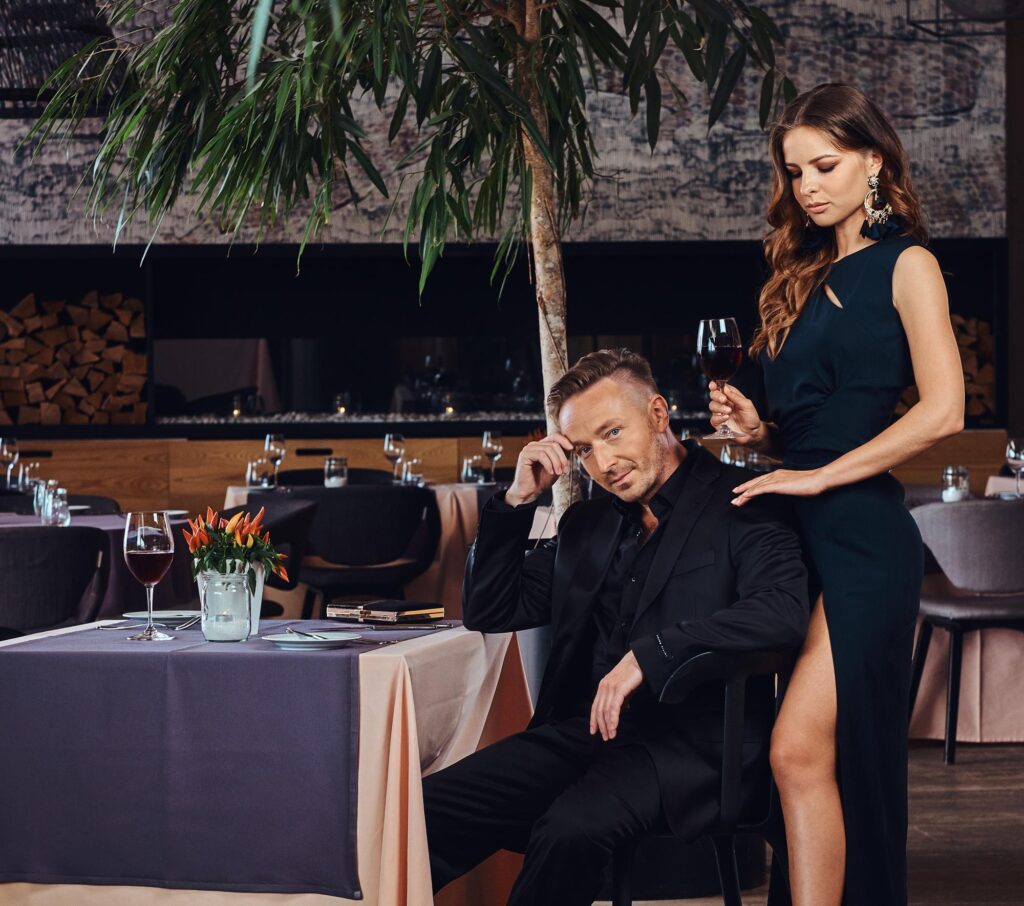
More than eighty percent of luxury marketing leaders consider live events the most effective channel for building deep relationships with high-net-worth clients. In a world where digital noise has become a barrier, direct contact and a carefully designed atmosphere are the only path to genuine engagement with business leaders. Looking at specific event marketing examples, you can see an evolution from simple promotional gatherings to multisensory experiences that define the identity of modern brands. A strategic approach to these events turns fleeting moments into lasting trust. The key to success remains the combination of flawless logistics, discretion, and personalization, which together set the highest standards. Prestige requires precision.
Key Takeaways
- Effective event marketing draws on global benchmarks such as Apple WWDC, Salesforce Dreamforce, and Red Bull’s extreme sports events. In New York, it includes brand activations during Fashion Week and high-profile tech conferences.
- In the luxury and B2B segments, the key tools for building prestige are intimate culinary pop-ups and dinners in private residences, which allow direct interaction in an atmosphere of discretion.
- An experiential marketing strategy focuses on engaging all of the guest’s senses, turning a passive observer into a loyal brand ambassador.
- Personalized experiences and precise attention to detail, such as tailoring the menu to guests’ dietary preferences, significantly increase conversion for investment products and premium services.
- Modern event planning requires integrating CRM systems with automated follow-up communication and strict compliance with data privacy laws to build brand credibility.
The Foundations of Modern Communication: What Is Event Marketing and Why Does It Create an Edge?
In an age of digital oversaturation, traditional channels are losing effectiveness and giving way to strategies based on experiential marketing. Event marketing is a multidimensional experiential marketing tool that goes beyond ordinary promotion and focuses on building a deep emotional bond between a brand and its audience. In the luxury and premium services segment, where precision and discretion are the standard, events become a platform for expressing brand values. Instead of a one-way message, guests are offered an interaction that engages all the senses. Well-designed event marketing draws on consumer psychology, turning a passive observer into an active participant in the brand story. This creates a loyalty that standard ad campaigns simply can’t achieve.
Effective event marketing differs from direct selling above all in its intent. The primary goal is to create experiences people remember for years.
Today’s business leaders expect more than a product; they seek access to closed communities and unique experiences. A well-planned event builds a prestigious presence in the client’s mind by offering added value in the form of networking or exclusive knowledge. At SERVED, we understand that authenticity is key, which is why we see a brand pop-up dinner as an opportunity to reveal a brand’s DNA in a way that feels effortless yet exceptionally refined.
- Building authentic relationships based on shared emotional experiences.
- Transforming the brand image from a service provider into a lifestyle curator.
- Reaching the target audience precisely, in a controlled, luxurious setting.
Strategic Goals of Event Marketing in the Premium and B2B Segments
In a world dominated by digital noise, events have become the most precise tool for building trust among affluent clients and business leaders. In the premium segment, measurable ROI indicators such as direct sales often give way to intangible but critical values: loyalty, exclusivity, and a sense of belonging to a select group. A strategic approach requires every element of the event to align with the brand’s DNA. This builds a prestigious presence in the minds of an audience whose time is their scarcest resource. Effective event marketing in this context is not just logistics but, above all, the creation of emotional capital. Over time, it translates into stable contracts and high-margin services, creating a barrier to entry for less committed competitors.
Among the goals of event marketing, the transformation of brand perception comes first. In the high-end segment, an event is a physical expression of quality, where attention to detail builds authority without aggressive sales tactics.
Building Brand Awareness and Prestige
Prestige doesn’t come from mere presence but from the context in which a brand appears. Through unique locations and personalized culinary experiences, a company stops being a supplier and becomes a lifestyle curator, which permanently redefines its market position.
Generating High-Quality Leads
A brand pop-up dinner allows careful guest selection, ensuring that the contacts you gain are people with real decision-making power. It’s an organic process where the quality of interactions outweighs their quantity.
Networking and Strengthening Relationships with Key Partners
Direct contact in a fine dining atmosphere encourages openness. It’s in these informal yet luxurious settings that the most important business decisions are made, and relationships with partners become personal and lasting.
Event Marketing Examples: From Global Giants to New York’s Premium Scene
Looking at the global market, the most effective event marketing creates an environment in which the product is merely a backdrop for an idea and prestige. Giants like Apple and Salesforce don’t host ordinary presentations. They design multidimensional experiences that redefine the user’s identity. In New York, this trend is evolving toward intimacy and operational excellence, where success is measured not only by the number of guests but by the depth of relationships built with business leaders. This strategy requires top-level logistics combined with a narrative that resonates with affluent audiences seeking uniqueness and authentic contact with a brand in a carefully curated space.
Global Standards: Apple WWDC and Salesforce Dreamforce
Apple turns its product launches into global celebrations of technology, building anticipation through carefully measured exclusivity. Salesforce, meanwhile, builds an entire campus in San Francisco for Dreamforce, proving that effective B2B event marketing can be as engaging as a music festival.
The Extreme Experience: Red Bull and Emotional Marketing
Red Bull pushed the boundaries by abandoning traditional advertising in favor of high-adrenaline sporting events. The brand doesn’t talk about energy; it demonstrates it, becoming synonymous with courage and pushing human limits.
The New York Context: Fashion Week Activations and Manhattan Tech Conferences
In New York, the standout events combine scale with the city’s unique character. Brand activations during New York Fashion Week and Manhattan’s major tech conferences are excellent event marketing examples, where professional networking meets a production worthy of the world’s top cities. Learn more about corporate event entertainment in NYC.
The Culinary Pop-Up as a Tool for Building Exclusivity
Temporary restaurants and tastings in unexpected locations are now among the most refined ways to build a prestigious presence. A culinary pop-up allows luxury brands to interact directly with clients in an atmosphere of complete discretion and culinary artistry.
How to Design Effective Event Marketing: Key Success Factors
Designing events for the most demanding audiences requires a holistic approach, in which technology, logistics, and sales psychology blend seemingly effortlessly. Effective event marketing in the premium segment no longer relies on aesthetics alone but on precise management of emotions and guest safety. Integrating CRM systems with personalization tools is essential here, allowing relationships to grow beyond standard business frameworks. Top-tier event marketing examples show that success depends on balancing innovation with intimacy. Every detail, from the invitation to the follow-up, should confirm the brand’s prestige and respect for the guest’s time.
Personalization and Discretion: The Key to Winning HNW Clients
In the world of luxury, there is no such thing as a standard offer. For affluent clients, the priorities are a sense of uniqueness and a guarantee of privacy. When organizing intimate gatherings, every interaction must be tailored to the guest’s individual preferences, which builds a loyalty that mass channels can’t achieve.
One example of an effective strategy was a project for a private banking brand. Instead of a banquet for a hundred guests, a series of dinners was held in private residences for groups of five. By precisely tailoring the menu to guests’ dietary restrictions and interests, the bank recorded 40% higher conversion on investment products than at large conferences.
Technology in Service of the Experience: Hybrid Events and Automated Follow-Up
Modern event marketing draws on digital tools that seamlessly connect the physical and virtual worlds. Automated post-event communication keeps the relationship warm by sending personalized videos or dedicated offers just a few hours after the event ends.
Legal Considerations for Collecting Attendee Data in the US
Building a prestigious presence requires strict compliance with data privacy rules. In the US, marketing emails sent after an event must comply with the CAN-SPAM Act. Companies handling New York residents’ personal data must also meet the security requirements of New York’s SHIELD Act, and events with guests from the EU may fall under GDPR. Clear marketing consent and secure data storage are, in the eyes of professionals, the foundation of a brand’s credibility.
Summary
Effective event marketing in the premium segment goes beyond standard promotion and becomes a multidimensional experience that defines a brand’s position among business leaders. The key to success is combining flawless logistics with deep personalization, where every detail, from a refined menu to discreet service, builds genuine trust and loyalty among the most demanding guests.
The event marketing examples above clearly show that the greatest value comes from events built on emotion and uniqueness. Investing in precise execution and a personalized approach allows brands not only to stand out from the competition but, above all, to build lasting relationships with clients who value quality and prestige.
If these event marketing examples have inspired your next brand experience in New York, get in touch to discuss a culinary concept tailored to your guests.